North Macedonia
North Macedonia, with a population of approximately 1.8 million, faces several socio-economic challenges amidst recent economic developments. The country contends with a poverty rate of 19.1%, highlighting significant income disparities and economic vulnerability among its population.
We Effect’s presence in North Macedonia focuses on primarily strengthening institutional capacities of member-based organisations, empowering marginalized groups and promoting sustainable socio-economic development. By partnering with local communities and organizations, We Effect addresses issues such as poverty alleviation, food insecurity, gender inequality, and environmental sustainability. Our initiatives aim to enhance agricultural productivity, advocate for inclusive policies that benefit vulnerable populations, including small-scale farmers and women and improve their socio-economic status. Through capacity-building programs and advocacy efforts, We Effect contributes to strengthening community resilience and fostering socio-economic stability.
Food insecurity and malnutrition remain concerns in the country, exacerbated by fluctuating agricultural production and income instability, affecting marginalized groups. Young people migrating to wealthier countries for better economic opportunities pose a risk to the country’s social stability and community resilience. Moreover, North Macedonia faces environmental challenges including biodiversity loss and air pollution, which affect public health and economic activities. Informal social norms hinder gender equality in various sectors, despite progress in education and healthcare access, underscoring the need for targeted policy interventions to enhance women’s economic empowerment and social participation. Corruption further hampers capital investments in agriculture, posing significant barriers to economic growth and development.
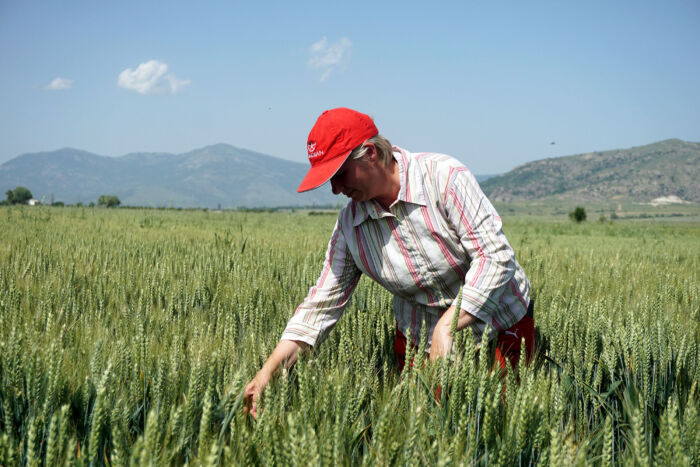
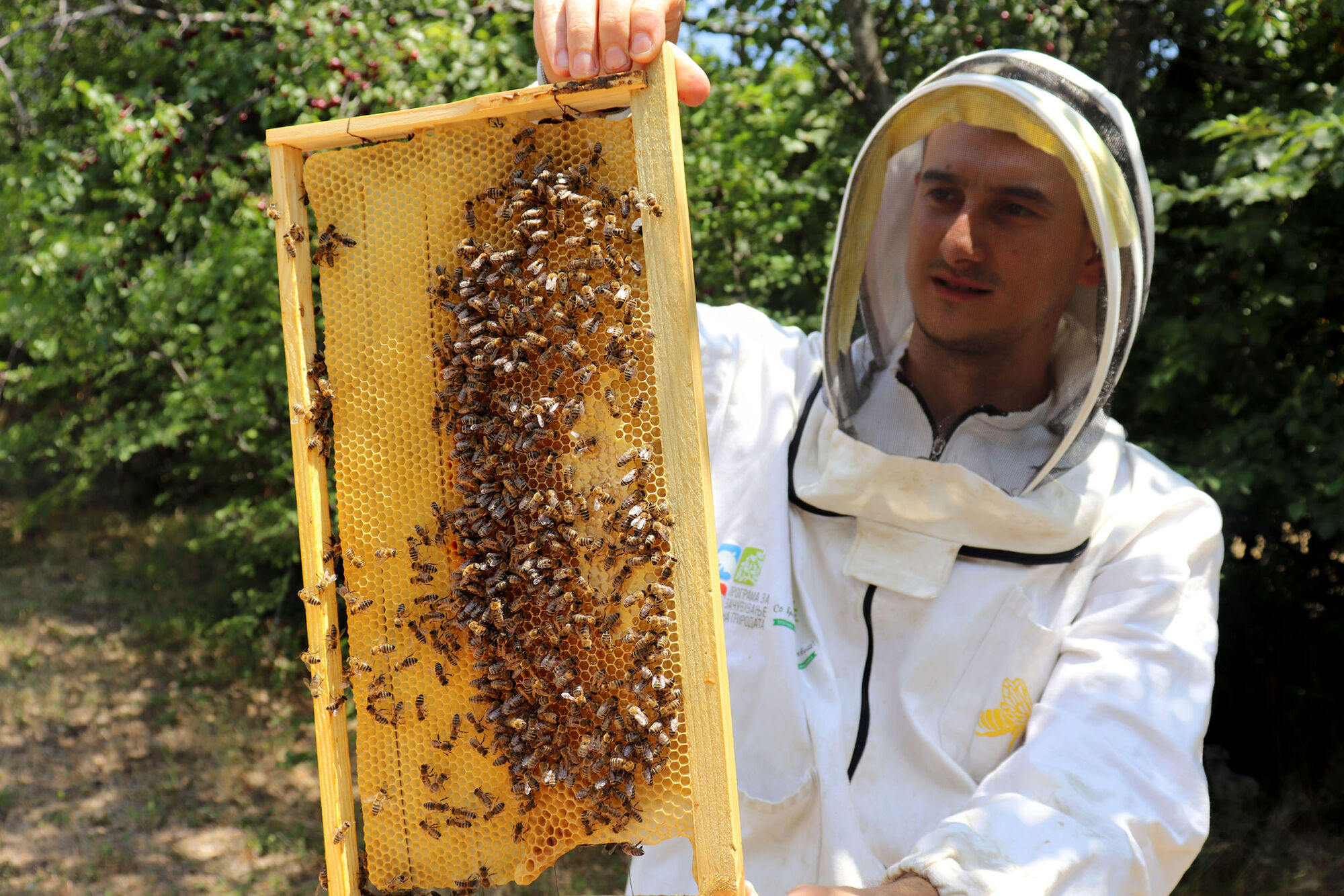
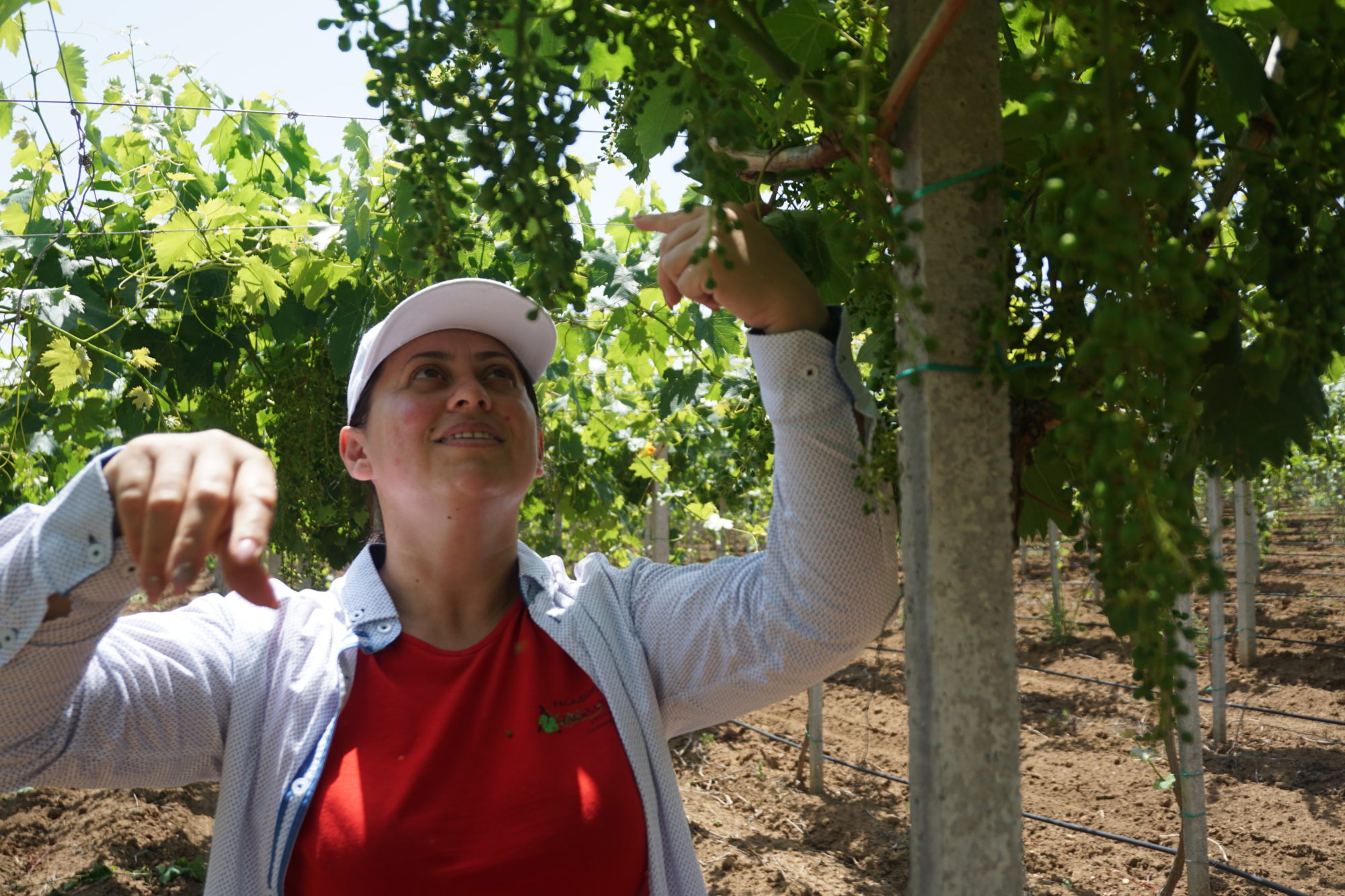
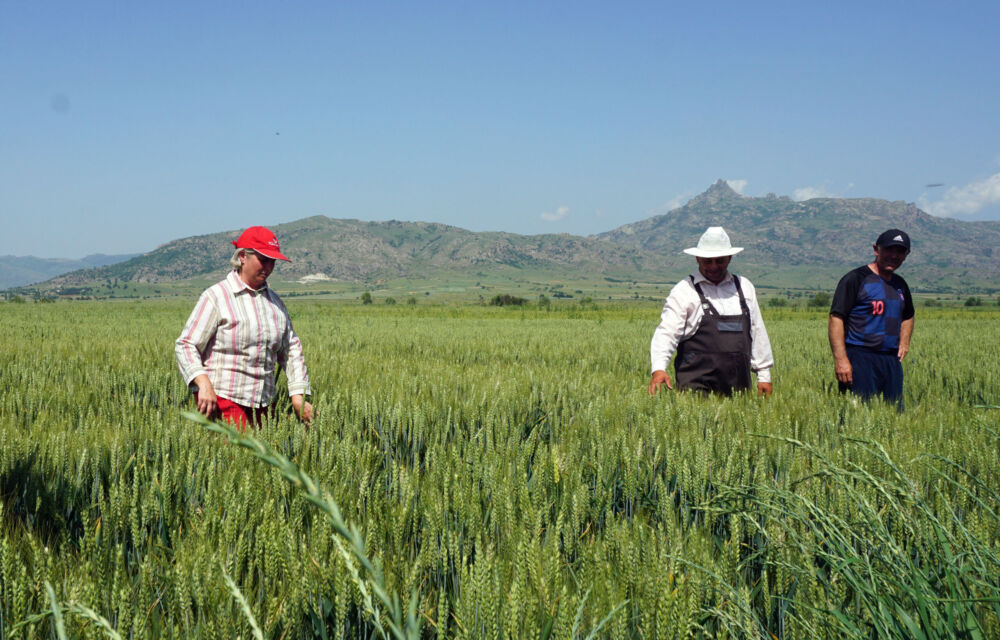
We Effect’s work in North Macedonia is centers on strengthening the institutional capacities of local member-based organizations and advancing advocacy for rural development. By empowering farmer organizations, cooperatives, and community groups, we help build the foundations for self-sustaining and profitable agriculture. Our efforts include active engagement in policy dialogue and decision-making. Gender equality and the inclusion of young farmers are integral to all our initiatives, with a strong focus on women’s economic empowerment and youth entrepreneurship.
Expanding market access for smallholder farmers is also a key priority. We connect farmers with buyers, improve access to marketing information, and address supply chain constraints to make market systems more efficient and inclusive.
Special attention is given to the integration of Roma community members into our development initiatives, ensuring that opportunities for increased income, competitiveness, and sustainable livelihoods are accessible to all, and that no one is left behind.
Results in North Macedonia through the CSO Programme:
- Efforts in North Macedonia have provided direct support to thousands of smallholder farmers, both women and men, while also reaching many more through community initiatives and advocacy. Central to this progress has been the strengthening of institutional capacities within local organizations, enabling them to deliver better training, marketing information, and ongoing support to farmers. This focus on building strong organizations, alongside targeted actions to address supply chain constraints, has resulted in more inclusive, efficient, and resilient market systems for small-scale producers, ultimately increasing crop yields, income, and long-term sustainability in rural communities.
- A major outcome was the introduction of paid maternity leave for registered women farmers, ensuring equal rights and social protection for women in agriculture. Local food systems were strengthened, sustainable practices promoted, and the visibility of small-scale producers increased. These achievements contributed to better livelihoods, greater gender equality, youth inclusion, and improved integration of marginalized groups within rural communities.
Results in North Macedonia through the IISEE Programme
- The IISEE (Income Increase and Socio-economic Empowerment of Vulnerable from Rural and Sub-urban Areas) programme introduced a market systems approach that laid the groundwork for future legal recognition of producer organizations and new definitions for active farmers. School schemes for fresh produce were piloted, creating a pathway for their institutionalization to support children and local farmers.
- Small-scale farmers began shifting to more diverse agribusiness models, gaining better access to formal markets and financial services. Initiatives like contract farming, digital advisory services, and improved supply chains expanded market opportunities and promoted sustainability.
- The programme facilitated nearly 200 new jobs for Roma individuals and provided job-matching services to over 600 people, with a strong emphasis on gender inclusion. These actions led to more than 30% increase in gross income for more than 1,000 rights-holders.
- In total, over 3,700 people benefited directly or indirectly, with almost half being women. The programme delivered measurable gains in income, employment, and market participation, demonstrating a strong return on investment for rural communities.
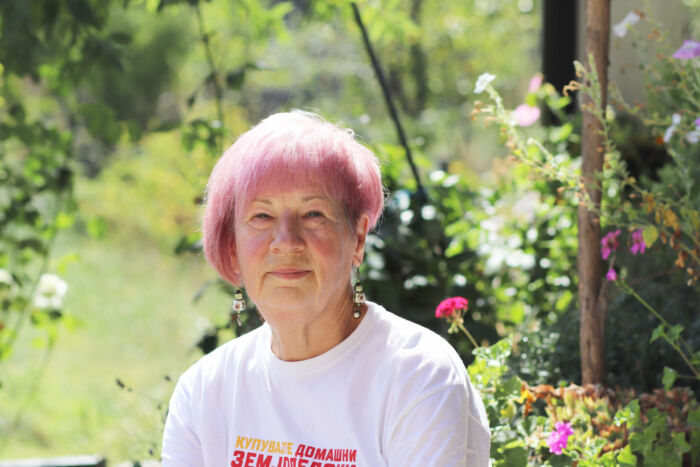
CSO Programme
We Effect collaborates with local partner organisations which are member-based and represent the voice of smallholder farmers and other vulnerable groups through the CSO Programme. Our work in North Macedonia is part of the We Effect Europe multi-country CSO programme (2025–2028), with a primary focus on sustainable rural development. This programme builds on a decade-long commitment to civil society strengthening, continuing the Sida-supported CSO initiatives that began in 2014 and have been implemented in consecutive phases: 2014–2017, 2018–2023, 2023–2025, and now 2025–2028. The programme emphasizes strengthening national structures while also fostering regional cooperation, dialogue, and synergies. Support is provided to local organisations not only in North Macedonia, but also in Albania, Bosnia and Herzegovina, Kosovo, and Moldova.
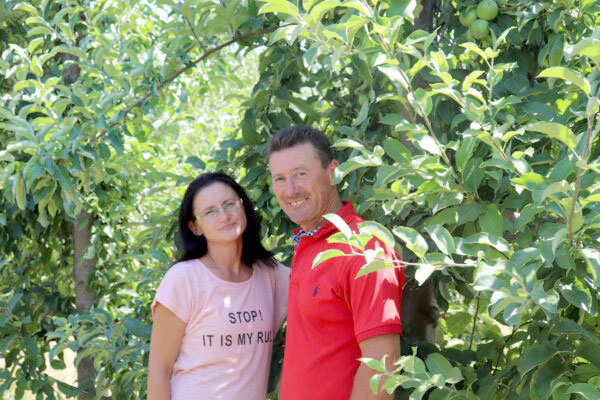
IISEE Programme
CSO Programme Projects
In North Macedonia through the CSO programme, we are implementing two national projects.
Supporting Small-Scale Farmers in North Macedonia
Partner organisation: National Federation of Farmers (NFF)
The project supports small-scale farmers and rural communities in North Macedonia, addressing challenges such as economic instability, climate change, and limited market access. It focuses on strengthening producer organizations, promoting sustainable agriculture, and empowering vulnerable groups including women, youth, and people with disabilities through training, advocacy, and direct participation in decision-making. Special emphasis is placed on gender equality, climate adaptation, and food security, aiming to ensure fair opportunities and resilience for all rural stakeholders.
To achieve lasting impact, the project invests in knowledge sharing, capacity building, and the development of scalable support services for farmers. By fostering inclusive participation and commercializing practical solutions, the initiative seeks to improve incomes, market participation, and social protection, ultimately contributing to more sustainable and equitable rural development in North Macedonia.
From Soil to Society: Agroecology for the Community
Partner Organisation: Slow Food North Macedonia
This project aims to transform North Macedonia’s food system by promoting agroecology, supporting small-scale farmers, and fostering sustainable rural development. It focuses on building a strong civil society network, empowering producers, consumers, youth, and local communities through education, advocacy, and hands-on initiatives like School Gardens and Slow Food Farms. Special attention is given to gender equality, climate action, and the inclusion of marginalized groups, with activities designed to increase market access, improve livelihoods, and encourage responsible consumption.
By strengthening organizational capacity, advancing evidence-based advocacy, and creating direct links between producers and consumers, the project seeks to drive systemic change in food policy and practice. Its integrated approach combines capacity building, public engagement, and policy influence to ensure lasting impact—supporting economic resilience, environmental sustainability, and social justice for rural communities across North Macedonia.
IISEE Programme Projects
In North Macedonia through the IISEE programme, we are implementing four projects.
Organizational development of NFF and improved market linkages for the small farmers and producers
Partner organisation: National Federation of Farmers (NFF)
This project aims to improve the livelihoods of smallholder farmers in North Macedonia by expanding market access, supporting producer groups, and piloting sustainable business models. It focuses on lobbying and advocacy for systemic policy changes to create fairer, more resilient agricultural markets, while also promoting gender equality, climate adaptation, and inclusion of marginalized groups.
Aligned with the IISEE programme and the Market Systems Development (MSD) approach, the project addresses broken market linkages, limited access to finance, and the need for modernized production. It supports the formation of producer groups to boost collective bargaining, knowledge sharing, and sustainable practices, while also working to influence policy and create fairer market conditions. By building new services, fostering local ownership, and sharing successful models, the initiative seeks to ensure long-term impact, improved livelihoods, and greater social and economic inclusion for smallholder farmers in North Macedonia.
Empower Rural: Fostering Sustainability in Local Communities
Partner Organisation: Center for Education and Development (CED)
The project “Empower Rural: Fostering Sustainability in Local Communities” focuses on sustainable development in the Shara region of North Macedonia, particularly around National Park Shara. It aims to balance environmental conservation with socio-economic growth by supporting rural communities, small-scale farmers, women, youth, and marginalized groups. Key activities include capacity building, retraining, and requalification for economic opportunities, as well as developing new services, improving local policies, and promoting eco-friendly practices. The project also works to strengthen local institutions, foster community participation, and create inclusive economic models that benefit vulnerable populations.
Aligned with the IISEE programme, the project adopts a market systems approach to address barriers in local markets and enhance income, employment, and resilience for rural communities. It seeks to create at least 45 new jobs, increase gross income for targeted groups by 30%, and influence policy changes for better management of the National Park. By building strong partnerships, promoting environmental sustainability, and empowering local actors, the initiative aims for long-term impact and replicable models of community-led development in North Macedonia.
Labour Market Access Through Skill Strengthening and Job Matching
Partner Organisation: Romalitico – Institute for Research and Policy Analysis
This project aims to improve employment opportunities and economic empowerment for Roma communities in North Macedonia, with a special focus on youth and women. It works across multiple municipalities to map unemployment, provide targeted training for jobs in green energy and elderly care, and facilitate job-matching between Roma job seekers and private sector companies. The initiative also supports Roma entrepreneurs through a growth acceleration program, helping them formalize and expand their businesses.
By addressing barriers to employment and entrepreneurship, the project seeks to reduce discrimination, increase skills, and promote social inclusion. Activities include training, mentorship, networking, and advocacy, all designed to create sustainable pathways to employment and business growth for Roma individuals. The project’s integrated approach aims for lasting impact by fostering partnerships, improving access to jobs, and supporting the economic resilience of Roma communities in North Macedonia.
Strengthening Supply Chains Through Deployment of Contract Farming and Advanced Digital Advisory Services
Partner Organisation: Macedonian Association of Processors (MAP)
This project aims to improve the efficiency and competitiveness of fruit and vegetable supply chains in North Macedonia by deploying contract farming and advanced digital advisory services. The initiative focuses on supporting small-scale farmers and processing companies, helping them formalize supply relationships, adopt digital farming tools, and benefit from tailored technical support. Key activities include selecting pilot supply chains, signing supply contracts, providing digital advisory packages, and sharing results with industry stakeholders.
By stabilizing raw material supply, promoting long-term planning, and increasing farmers’ income, the project seeks to create more resilient and inclusive agricultural markets. It also emphasizes advocacy for contract farming and digitization in agriculture. The project’s integrated approach is designed to deliver measurable improvements in productivity, profitability, and market access for rural communities in North Macedonia.
Meet the people